
Reducing domestic energy costs
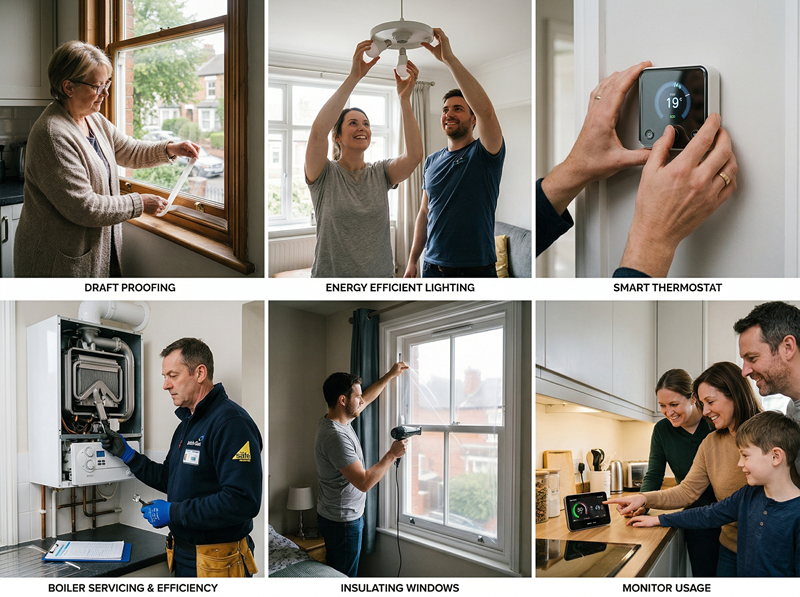
Energy costs remain a significant pressure on household budgets, and reducing consumption continues to be one of the most reliable ways to control expenditure. Fortunately, many practical steps can lower usage without reducing comfort. A structured approach often produces the best results, starting with quick wins and then considering longer term improvements.
Heating is usually the largest component of domestic energy use, often accounting for more than half of total consumption. Ensuring that boilers are serviced regularly helps maintain efficiency and can prevent higher fuel usage caused by poorly operating equipment. Reducing thermostat settings by just one degree can cut heating bills noticeably over a full year. Installing a programmable thermostat allows heating to operate only when needed, avoiding unnecessary energy use during the night or when the home is unoccupied.
Improving insulation is one of the most effective long term strategies. Loft insulation reduces heat loss through the roof, while cavity wall insulation helps retain warmth inside the property. Draught proofing around doors and windows is inexpensive and can produce immediate benefits. Even simple measures such as closing curtains at dusk help retain heat during colder months.
Electricity consumption can also be reduced through small behavioural changes. Switching off appliances rather than leaving them on standby can reduce wasted electricity. Many modern devices continue to consume power even when not in active use. Using energy efficient LED lighting instead of traditional bulbs reduces electricity consumption significantly and LED bulbs also last much longer, reducing replacement costs.
Households should also consider how hot water is used. Lowering the temperature setting on a boiler or hot water cylinder can reduce energy use without affecting comfort. Installing water efficient shower heads and avoiding unnecessarily long showers can also contribute to meaningful savings over time. Washing clothes at lower temperatures and ensuring washing machines are fully loaded before use can further reduce electricity and water usage.
For households able to consider capital investment, energy efficient appliances, improved glazing, solar panels or battery storage may offer longer term savings. While these measures involve upfront cost, they can reduce ongoing energy expenditure and may increase property value.
Taking a planned approach to reducing energy consumption can produce steady financial savings and may also reduce exposure to future increases in fuel prices. Even modest adjustments, when combined, can produce noticeable reductions in household energy costs over the course of a year.
Related Posts